Rising Health Consciousness and the Evolution of Private Brands
Private brand products have become firmly established across the food and beverage sector, and shoppers are increasingly choosing them for reasons beyond price alone.
In a March 2026 survey of 1,495 U.S. consumers aged 18 and over by FMI – The Food Industry Association, 92% responded that they had private brand products at home, and nearly half said they had purchased more private brand products than in the previous year. As reasons for purchasing private brand products, about four in ten cited quality (39%) and taste (37%).
The survey also found that 78% of consumers seeking health-related value from private brand products said they were able to find the products they needed. This suggests that health-oriented private brand products are becoming more diverse and widespread, and that consumer awareness is also rising.
As consumers become more health-conscious, demand for protein in particular is increasing.
Research by Bain & Company found that 44% of U.S. consumers said they wanted to consume more protein, with the proportion at roughly 35% in the U.K. and around 30% in Poland and Spain.
In response, even regional chains and hard discount stores are now expanding their development of high-protein private brand products.
Meijer, a regional chain in the U.S. Midwest, carries more than 700 private brand items containing 10g or more of protein per serving, including sesame protein pasta salad and protein puff snacks.
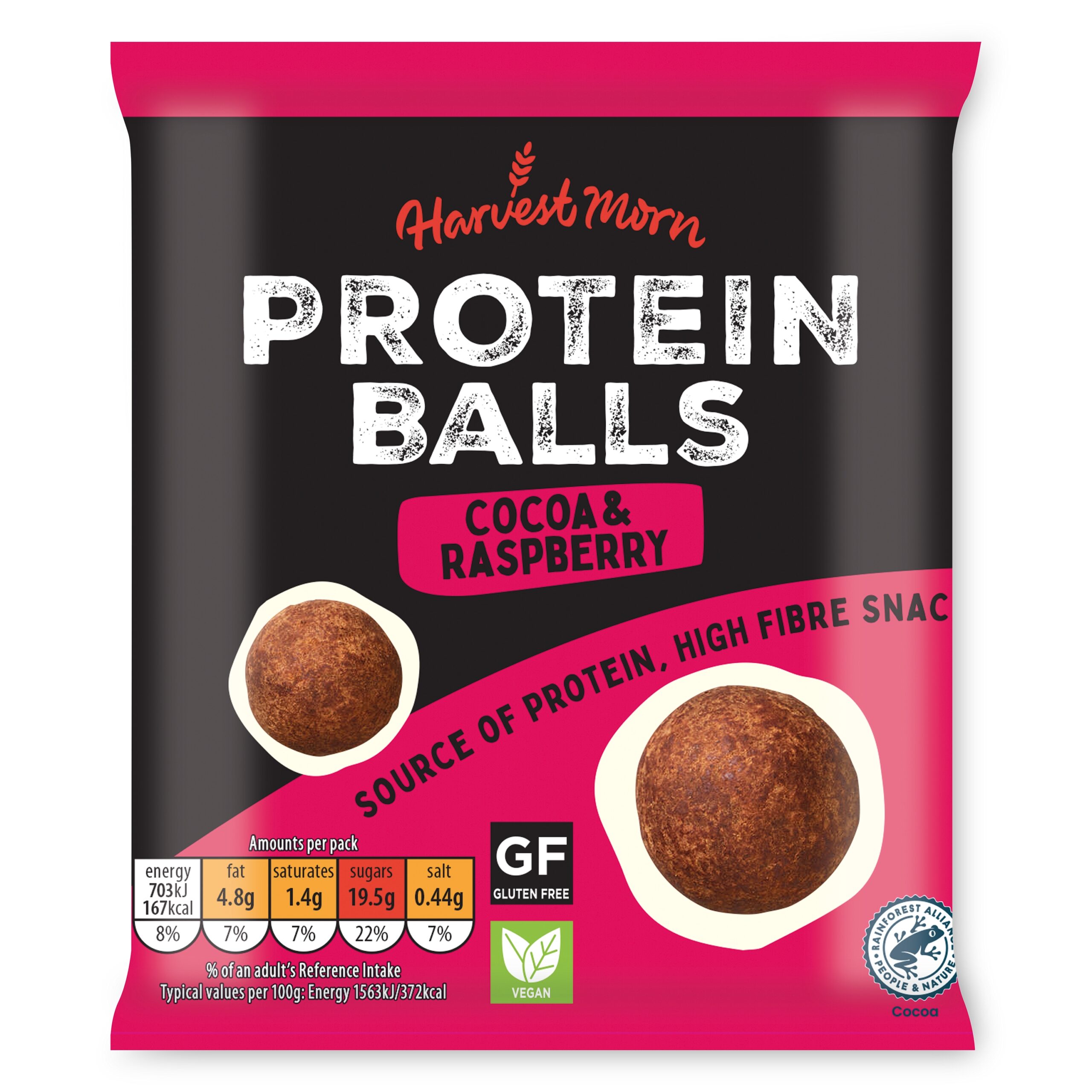
Capitalizing on a social media trend, the German-founded Aldi hard discount store launched Protein Balls in the U.K. in January 2026. The product’s exceptionally low price of 69 pence (about ¥148, calculated at ¥2.15 per penny) is a key selling point. The discounter also offers high-protein private brand products across a wide range of categories, including ice cream, protein bars and instant cup noodles.
Private brand product development is also advancing in the “free from” segment — products formulated without specific ingredients or components in response to health concerns and allergies.
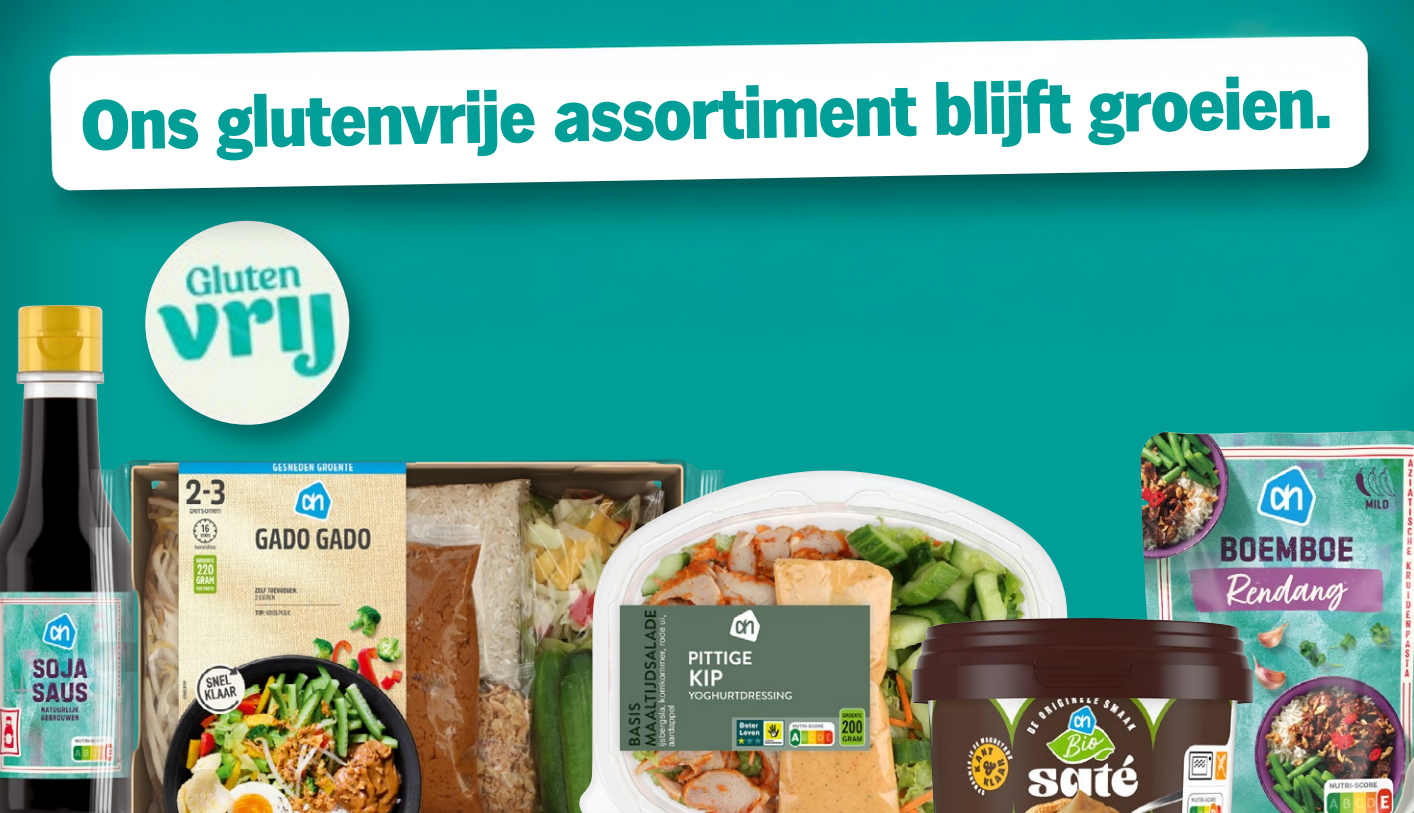
In European food retail, major Dutch food retailer Albert Heijn has been actively expanding its gluten-free lineup.
By 2025, the retailer had introduced 150 new and reformulated gluten-free private brand products across categories such as breakfast cereals, pasta, bread and crackers. Established products, including soy sauce and satay sauce, have also been reformulated to be gluten-free.
For 2026, Albert Heijn plans to add at least 100 more items and to widen its dedicated gluten-free shelf space.
In Europe and the U.S., GLP-1 receptor agonists — medications that stimulate insulin secretion and lower blood sugar — are being rapidly adopted as treatments for type 2 diabetes and obesity, and retailers are starting to develop private brand products aimed at people taking these medications.
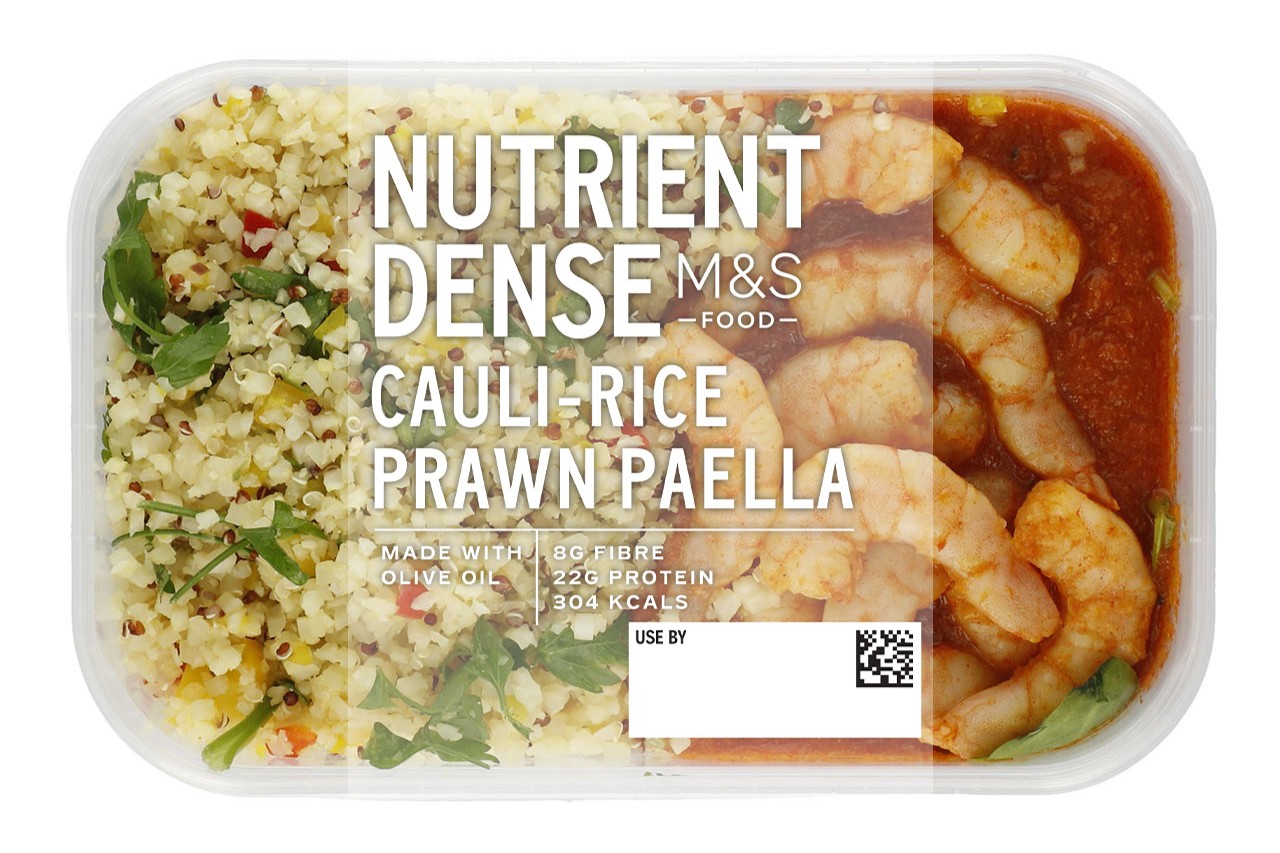
In the U.K., Marks & Spencer has launched Nutrient Dense, a new 20-item line of salads, snacks and ready-to-eat dishes rich in fiber, vitamins and minerals, positioned for customers using GLP-1 medications.
Similarly, in January 2026, the U.K.’s Co-operative Group introduced new menu items for GLP-1 users under its Good Fuel ready-to-eat meal private brand range, offering options such as pasta, chicken curry and grain bowls.
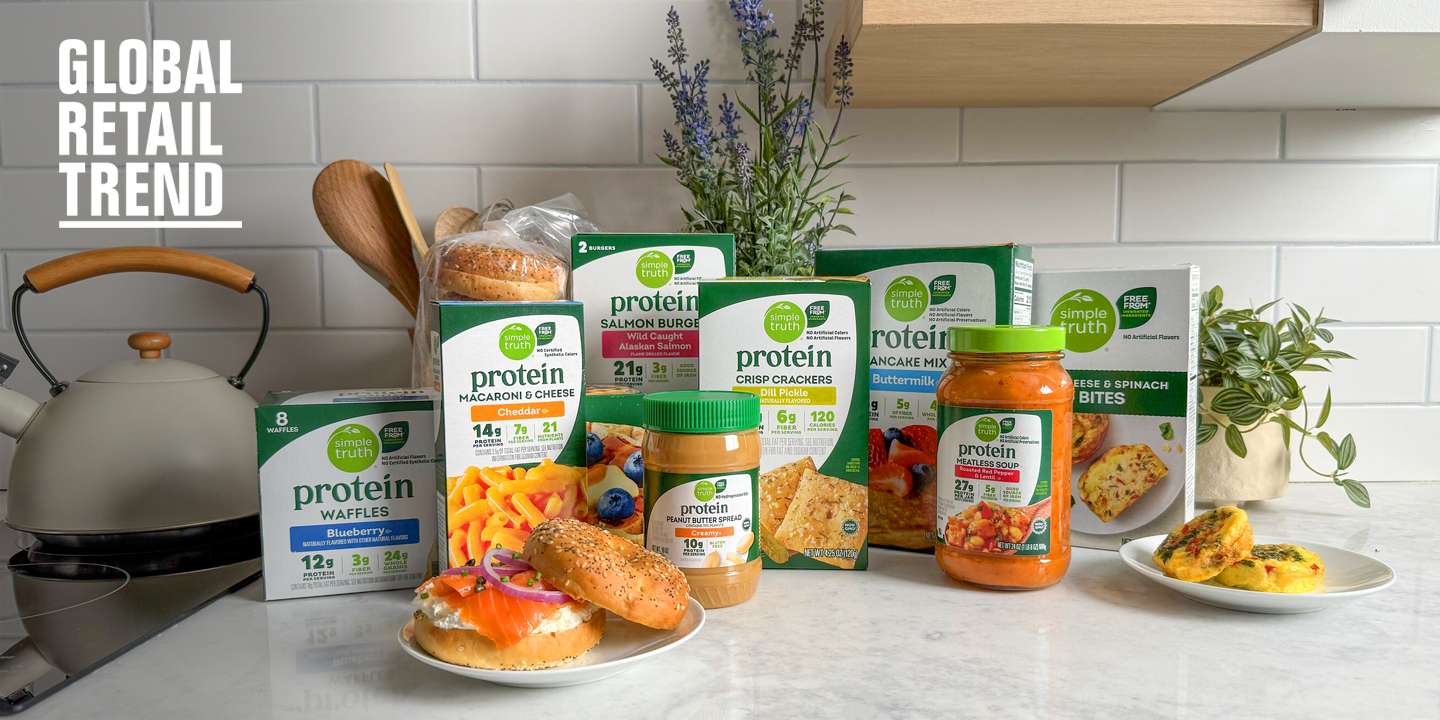
In September 2025, U.S. grocery retailer Kroger launched Simple Truth Protein, a new high-protein line extending its natural and organic Simple Truth private brand.
The initial rollout comprised more than 80 items, primarily processed foods such as protein-rich instant coffee, oatmeal, pancake mix, crackers and smoothie cubes. In January 2026, a further 24 items were added, including cottage cheese and energy bars.
Every item is designed to support a diet built around health and protein and is characterized by its ability to provide a simple, delicious way to consume protein at an affordable price. All items are also free of unnecessary ingredients such as artificial colors, artificial flavors and preservatives.
Kroger identified “The Protein Renaissance” as one of its top five food trends for 2025, noting that protein is no longer simply a muscle-building aid and is increasingly sought by people who want to sustain their energy levels throughout the day and support their overall health. Simple Truth Protein appears to have been launched in response to this trend.
In its top six food trends for 2026, the retailer predicts the protein trend will evolve into a protein plus fiber synergy, forecasting stronger demand for high-protein products paired with fiber as customers prioritize gut health and sustained energy.
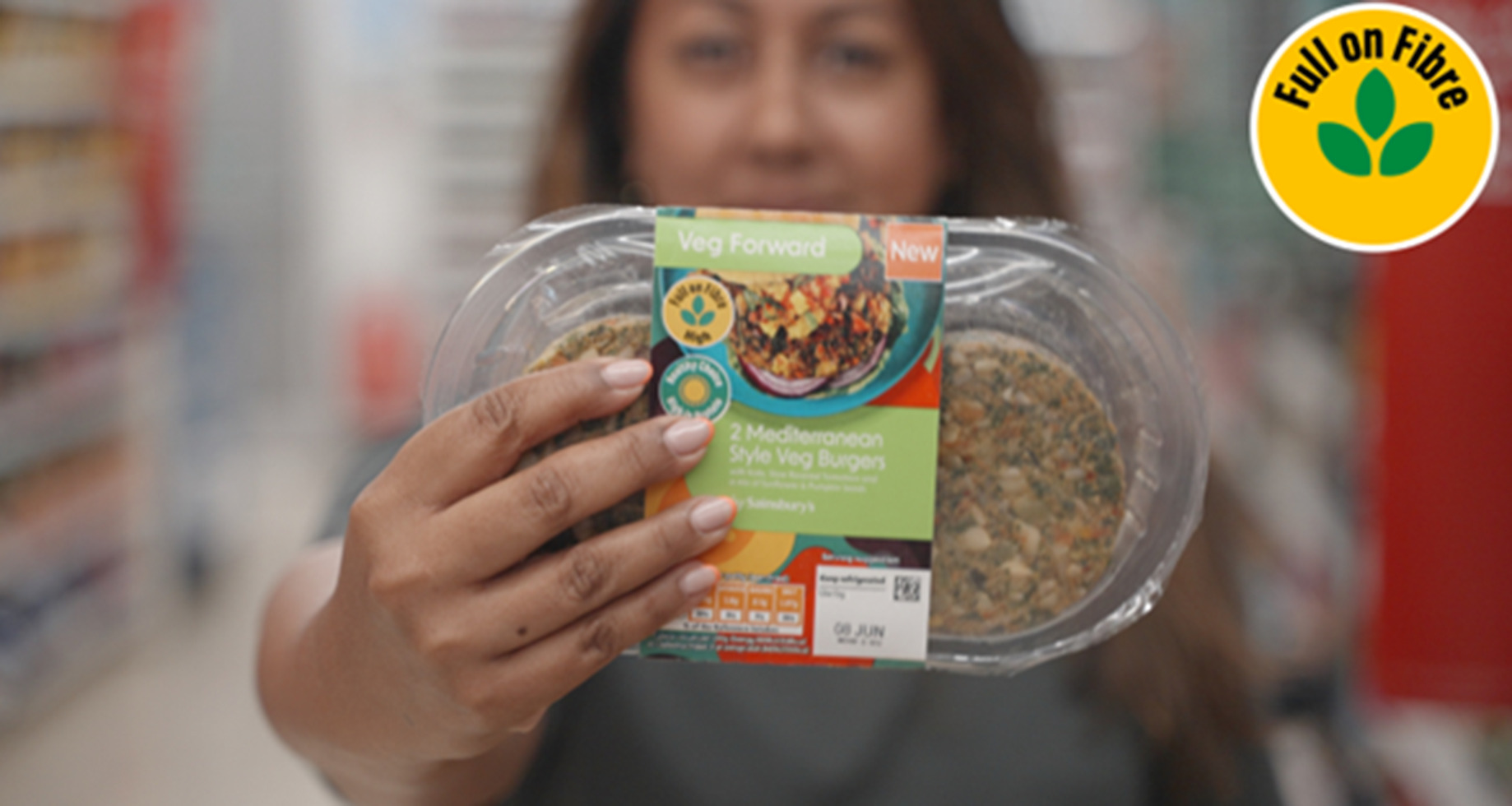
In June 2026, U.K. supermarket chain Sainsbury’s introduced Full on Fibre, a proprietary nutrition label identifying products that are high in fiber, to help consumers easily increase their fiber intake.
The label appears on product packaging, display shelves and its online store across more than 500 products. These include fiber-rich produce such as beans, broccoli, oranges and blackberries, as well as new private brand products such as Mediterranean Style Veg Burgers and Spiced Mixed Nuts & Seeds with Apple Granola.
The U.K. government recommends that adults consume 30g of fiber a day. Yet the National Diet and Nutrition Survey (NDNS) for 2019–2023 found that just 4% met this target, with adults aged 18 to 64 averaging 16.4g a day.
Sainsbury’s own research also found that while three in four people said they understood fiber, only about half recognized fruit (52%) or pulses (58%) as sources.
Simon Roberts, Chief Executive of Sainsbury’s, analyzed the situation facing consumers, saying, “Healthy eating should not feel difficult or complex – but for many families, it does.” He added, “We’re aiming to take away the complexity so good food becomes simple for everyone.”