
Food Trend Predictions for 2027
Market research firm Mintel identifies a shift in consumer behavior it calls “Products to Systems” as a global food and drink trend for 2027.
Consumers have increasingly come to look beyond taste, convenience, and nutritional value, placing importance on whether food and drink can help them maintain or improve their mental well-being, physical function, and performance.
They are shifting from simply buying products to building personal systems that support their health.
By combining products, services, and technology with everyday habits, consumers are aiming to achieve goals such as managing weight, boosting vitality, and improving resilience. For example, 62% of UK consumers say certain foods and drinks have become part of their daily wellness routine. In France, 38% of women say they would like to try foods and drinks that support skin health, while 37% say they are interested in foods and drinks that support their mental well-being.
As a result, the boundaries between categories such as food, wellness, beauty, and healthcare are becoming blurred. Sleep-related needs, for example, now extend from food, snacks, beverages, and supplements to room fragrances, skincare, and household products.
Going forward, the key is likely to be not the product on its own, but how important a role it can play within the systems consumers build for themselves.
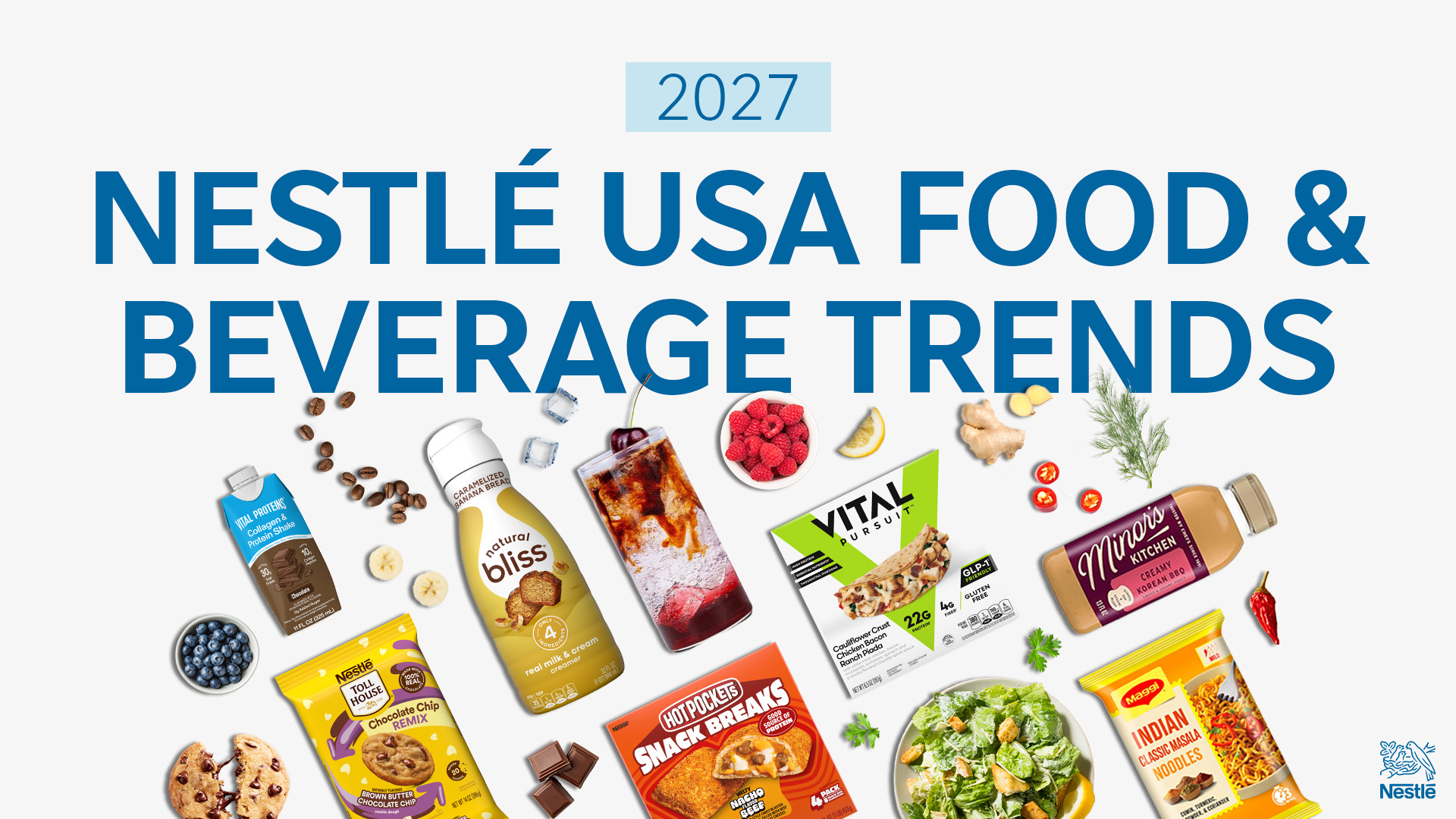
Nestlé USA, the U.S. arm of food giant Nestlé, has identified five shifts to watch over the coming year in its 2027 Food and Beverage Trend Forecast.
After a decade-long boom in spicy flavors, consumers are seeking not just heat but zest: a refreshing kick combined with depth of flavor. Searches for “zesty foods” have reached 2.3 times their level a year earlier, while sales of sour-flavored products have grown to roughly 4.1 times their 2022 level.
More than 60% of U.S. consumers make a conscious effort to consume protein. Rather than simply increasing their intake, however, they want to meet multiple health needs at the same time, such as gut health, aging-related concerns, and beauty.
Searches pairing protein with probiotics have quadrupled year over year, while searches pairing protein with collagen and with fiber have risen 2.9-fold and 2.5-fold, respectively.
There is also a trend led by younger consumers toward seeking new food experiences through coffee. More than 60% of Gen Z coffee drinkers say they prefer highly flavored coffee, and searches for “banana bread lattes” have soared roughly 64-fold year over year.
Consumers are showing greater interest in the authentic origins of dishes, how they are prepared, and the traditions at their roots. International cuisines have moved firmly into the mainstream, with about three in four Gen Z and millennial consumers naming international dishes as comfort foods. In addition, two in three are interested in regional distinctions within the cuisine of a single country.
As everyday life becomes increasingly digital, consumers are expressing a strong desire for real-world experiences that engage all five senses. About half say they are almost always looking for new products and flavors.
U.S. grocery chain Whole Foods Market has published its food trend predictions for 2027.
The first noteworthy trend on its list is terroir. Traditionally associated primarily with wine, the term refers to the natural environment and local character of a region, including soil, climate, and topography, that give rise to distinctive qualities such as flavor and aroma.
As interest in provenance and Protected Designations of Origin (PDO) grows, consumers are also seeking products with origin-specific flavors in categories such as coffee, chocolate, honey, salt, and grains.
The concept has also been extended to seafood through merroir, a term coined by combining mer (French for “sea”) with terroir, and attention is increasingly turning to the distinctive flavors that marine environments impart.
Japanese “yōshoku” is another of the predicted trends. This style of cooking, which adapts Western dishes to Japanese tastes, has gained popularity in the United States through dishes such as tonkatsu, Japanese curry rice, omurice, and hambāgu (Japanese-style hamburger steak).
Viral social media videos featuring omurice and shio pan (Japanese salt bread), along with content about Japanese convenience-store foods such as katsu and egg sandwiches and curry bread, have helped spread awareness of this distinctive Japanese culinary tradition.
The yōshoku trend began in restaurants and is now expanding into grocery retail.
For example, Whole Foods Market’s private-label Japanese Style Milk Bread, launched in 2025, spread rapidly by word of mouth and generated a strong response.
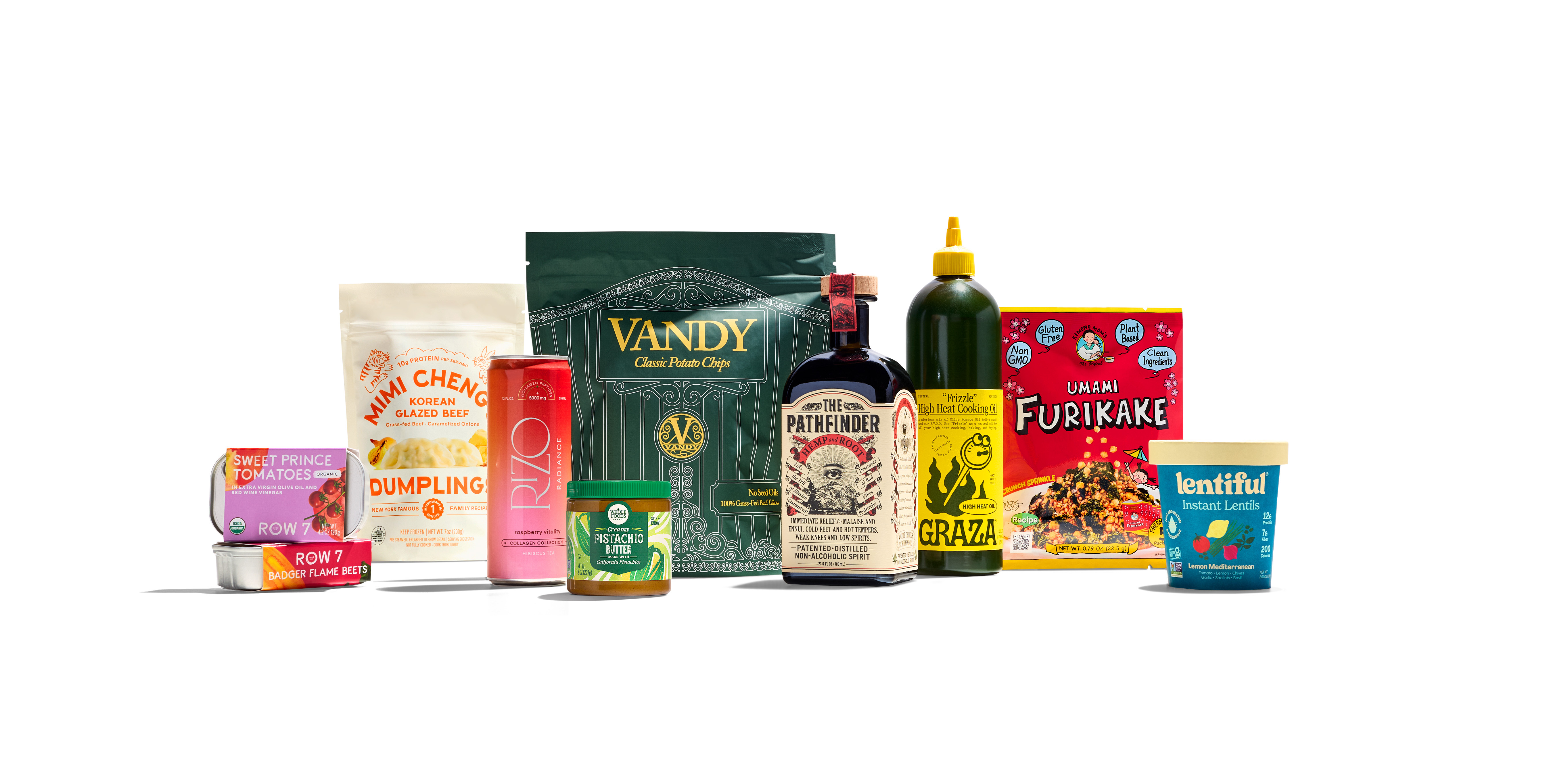
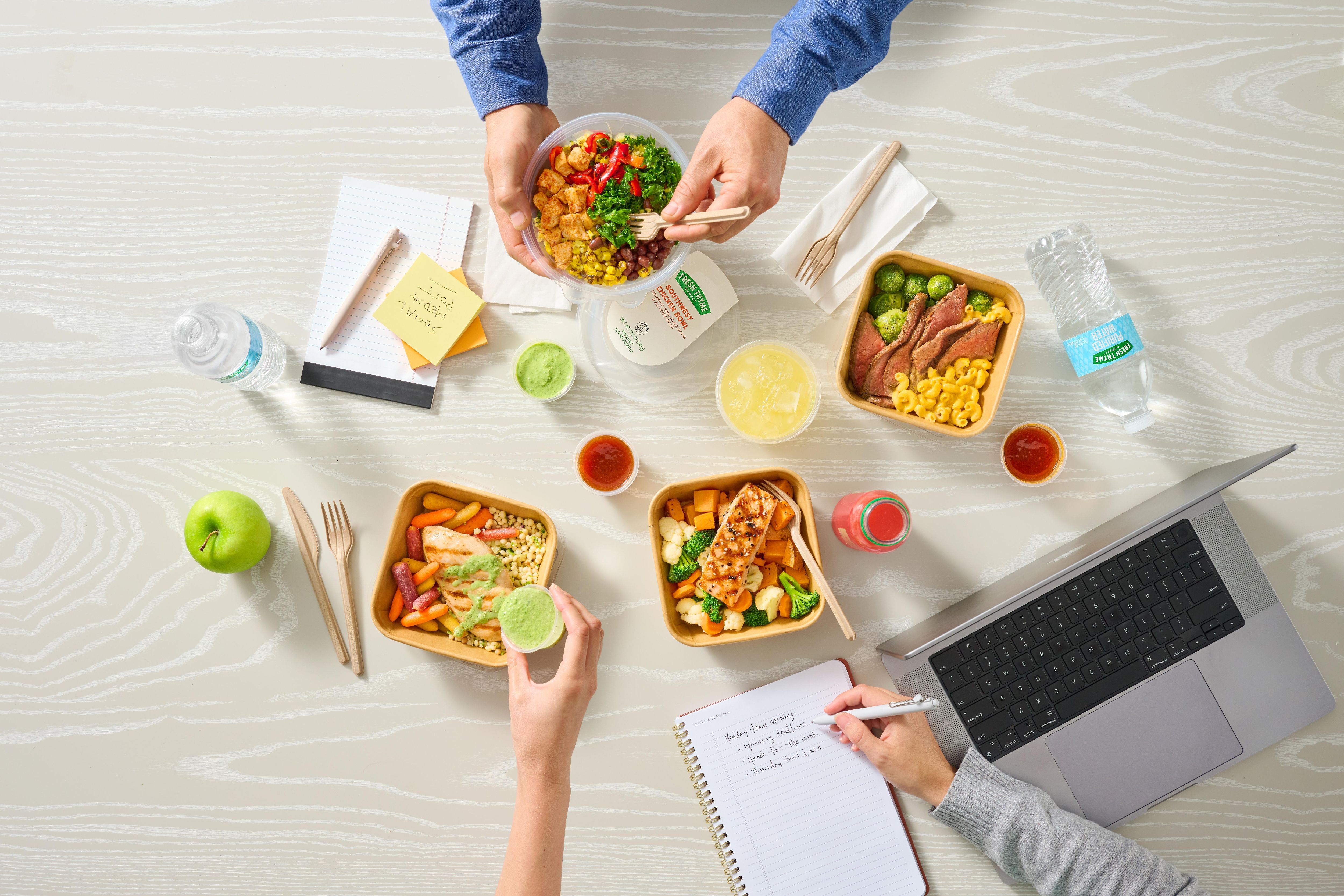
U.S. natural and organic grocer Fresh Thyme Market has partnered with SPINS, a data and analytics company serving the consumer packaged goods (CPG) industry, to publish its Top 10 Trends forecast for 2027.
One of the report’s key themes is the diversity of global cuisines. Products that fuse ingredients, flavors, and cooking techniques from different food cultures, such as miso mayonnaise, gochujang BBQ sauce, and chili-mango snacks, are becoming more widespread, and demand for bold flavors and new culinary experiences is growing.
Frozen foods in particular are attracting attention as a category that makes it easy to enjoy restaurant-quality meals at home. They bring authentic dishes inspired by cuisines from around the world within everyday reach, while also serving as a gateway to diverse food cultures.
Fresh Thyme Market also expects consumers to continue prioritizing wellness in 2027.
Interest is growing not only in physical health but also in maintaining and improving cognitive function, with functional ingredients such as omega-3s, antioxidants, mushrooms, and creatine being increasingly incorporated into a wider variety of foods.
Fiber is another nutrient that continues to attract attention. Consumers increasingly value it not only for digestive health but also for satiety, balanced nutrition, and overall health management.
In line with today’s busy lifestyles and changing eating habits, there is a growing demand for foods that offer higher nutritional value per meal. Products combining protein, fiber, healthy fats, and other nutrients are likely to become more widespread.
Yukiko Matsuoka
After earning an MBA in the U.S. and gaining practical work experience in supporting start-ups and developing management strategies, she switched to journalism in 2008.
Since then she has been following and reporting on trends in technological innovation and next-generation businesses surrounding food from a global perspective.