Natural Disaster Preparedness in European Retail
In recent years, natural disasters have become more severe and more frequent across both Europe and North America.
In the United States, the frequency of "billion-dollar disasters" — weather and climate events causing economic losses of more than $1 billion, including cyclones, severe storms, tornadoes, floods, heat waves and droughts, cold waves and heavy snow, and wildfires — has risen sharply since 1980. In 2025 the country recorded 23 such events, the third-highest total on record, and a further 12 occurred in the first half of 2026, through the end of June.
Western Europe was struck by repeated heat waves in the summer of 2026, with the combined average temperature for June and July reaching the highest on record. The prolonged heat and dry conditions triggered a succession of large wildfires in countries such as France, Spain, and Italy. By September, the area burned within the EU had exceeded 650,000 hectares, roughly double the average of the past 20 years.
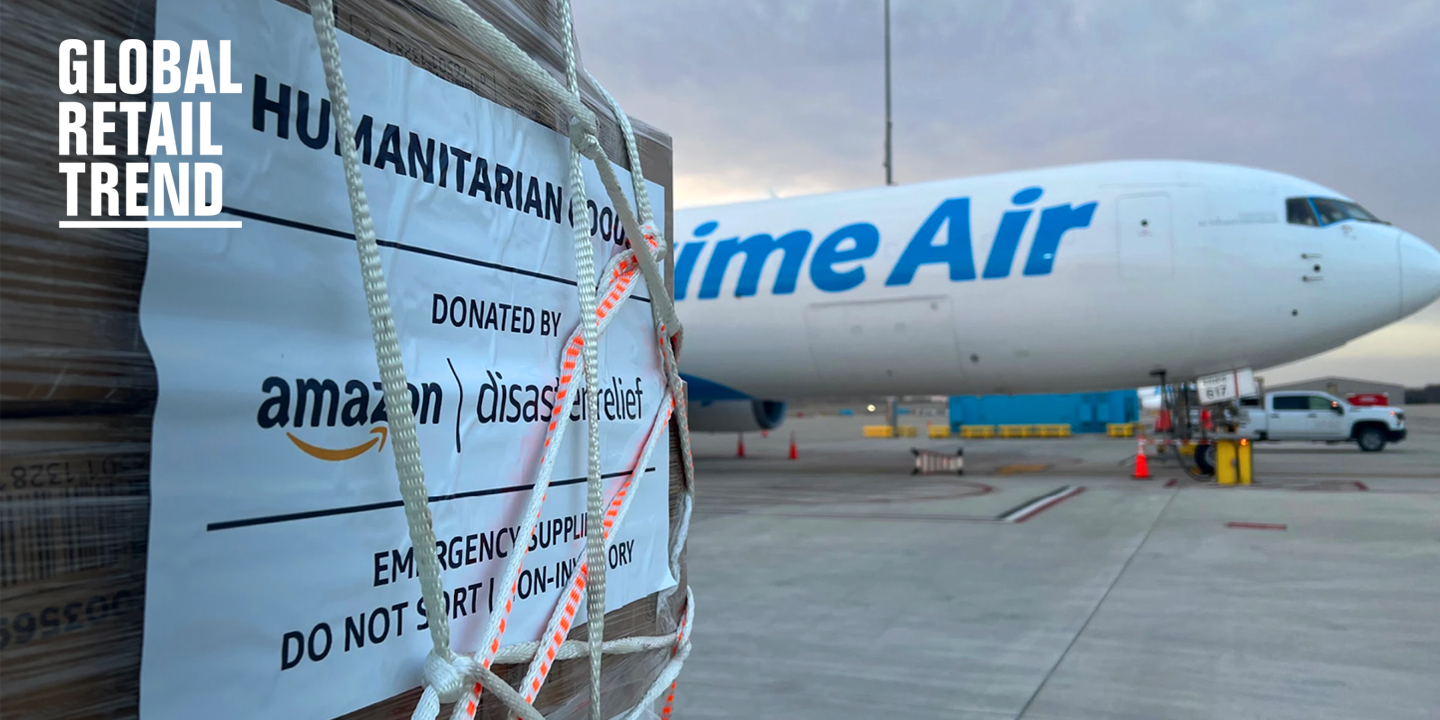
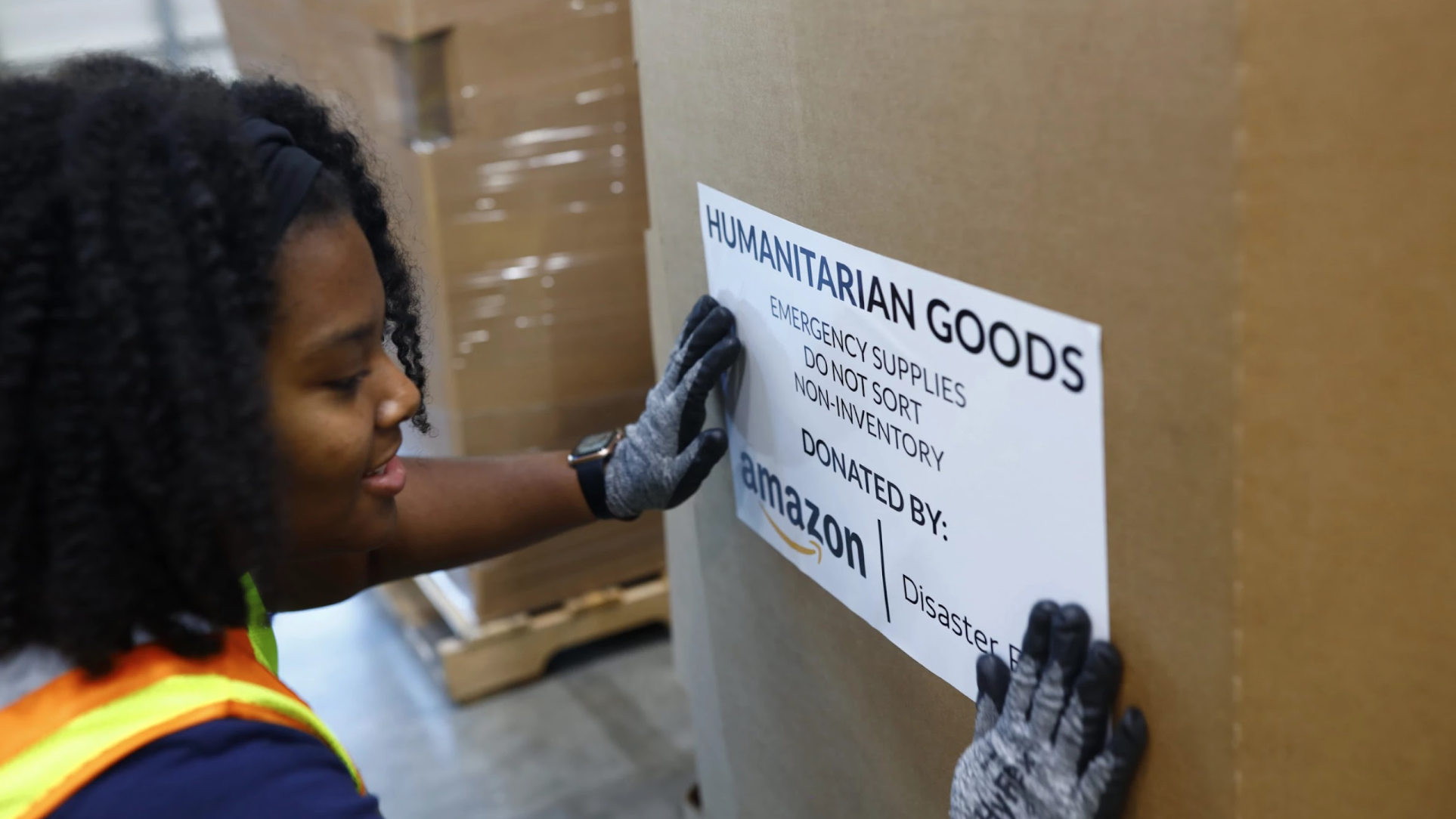
Amazon.com operates a global disaster relief program called the Disaster Relief Hub, which is designed to deliver relief supplies to affected areas quickly and efficiently when a disaster strikes.
Since opening its first hub in Atlanta in June 2021, the company has positioned the sites strategically near disaster-prone regions and major cities. It now runs 12 hubs across seven countries: the United States, Canada, Mexico, Germany, Australia, India, and Japan.
Each hub is located within an existing fulfillment center. Drawing on feedback from relief organizations working in disaster zones and on data gathered from past relief efforts, each site stockpiles the supplies most in demand locally — such as medical supplies, cleaning equipment, water purification systems, blankets, and tarpaulins — and is set up to deliver them to affected areas within two days of a disaster.
In North America, where wildfires are frequent, Amazon has also established hubs dedicated specifically to wildfire response. In July 2026 it opened its second such site in Edmonton, in the western Canadian province of Alberta. There, more than half of the site’s 180,000-plus emergency supplies are wildfire-related, including N95 masks, air purifiers, heavy-duty gloves, rubber boots, and sifters.
REWE Group Austria (hereafter REWE), a subsidiary of Germany’s REWE Group, has partnered with the Austrian Civil Protection Association (ÖZSV) on awareness efforts aimed at embedding disaster preparedness into the everyday lives of Austrians.
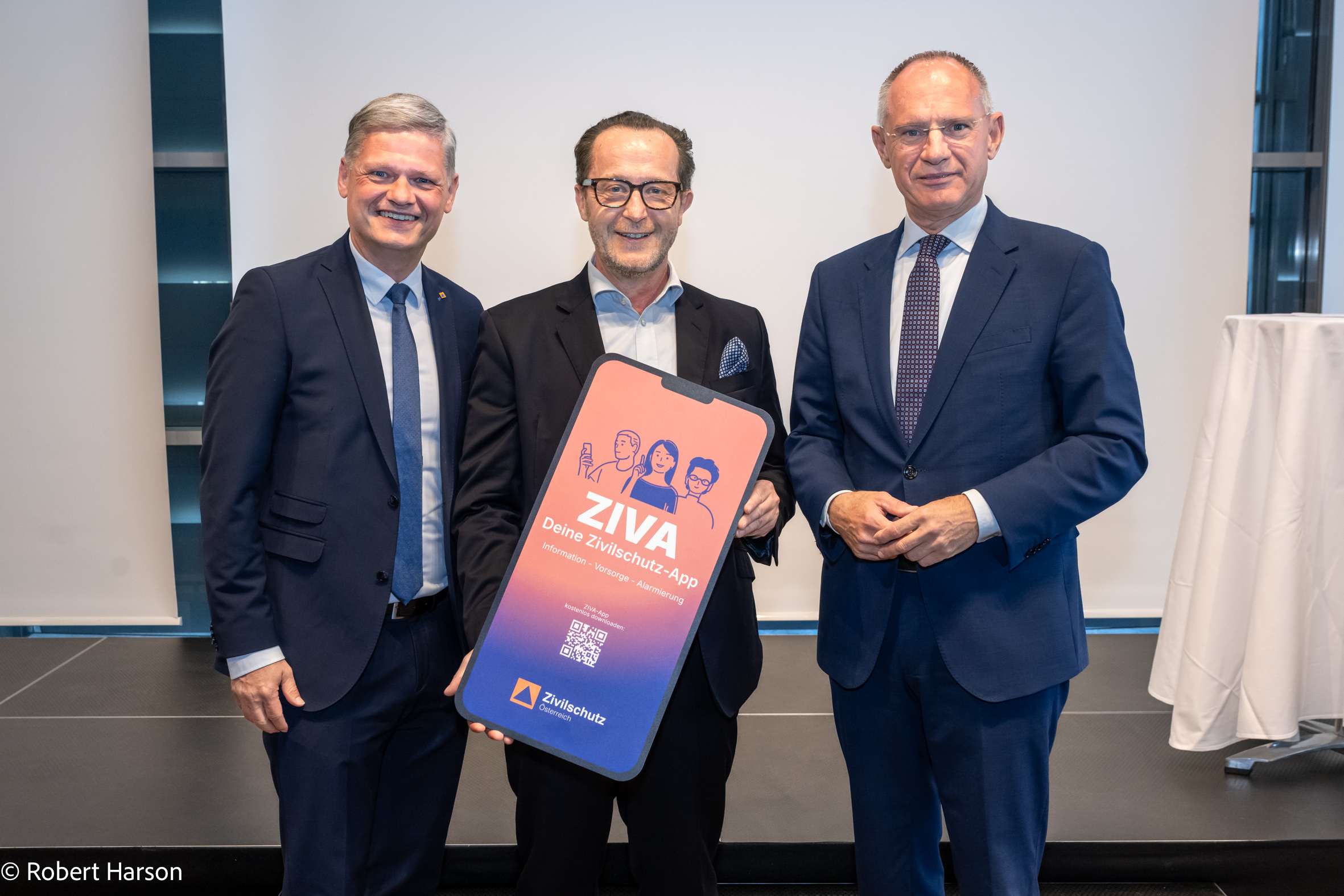
A leading example is ZIVA, a new disaster preparedness app developed over more than two years. It is regarded as a pioneering app in Europe — the first to combine disaster risk analysis, personalized preparedness recommendations, and real-time alerts on a single platform.
Specifically, the app sends push notifications about safety-related hazards such as severe weather, fires, and power outages, and lets users check the flood, earthquake, and other disaster risks for a given location by entering a home address. It also presents an emergency-supplies checklist tailored to the composition of the user’s household, allowing people to easily assemble the supplies they need while doing their regular shopping at REWE-owned stores.
As one of Austria’s largest employers, REWE joined a trial that began in May 2026, providing ZIVA to a portion of its workforce. The company positions the app as a way to complement its own business-continuity and crisis-management systems and to help build its employees’ capacity to respond to disasters.
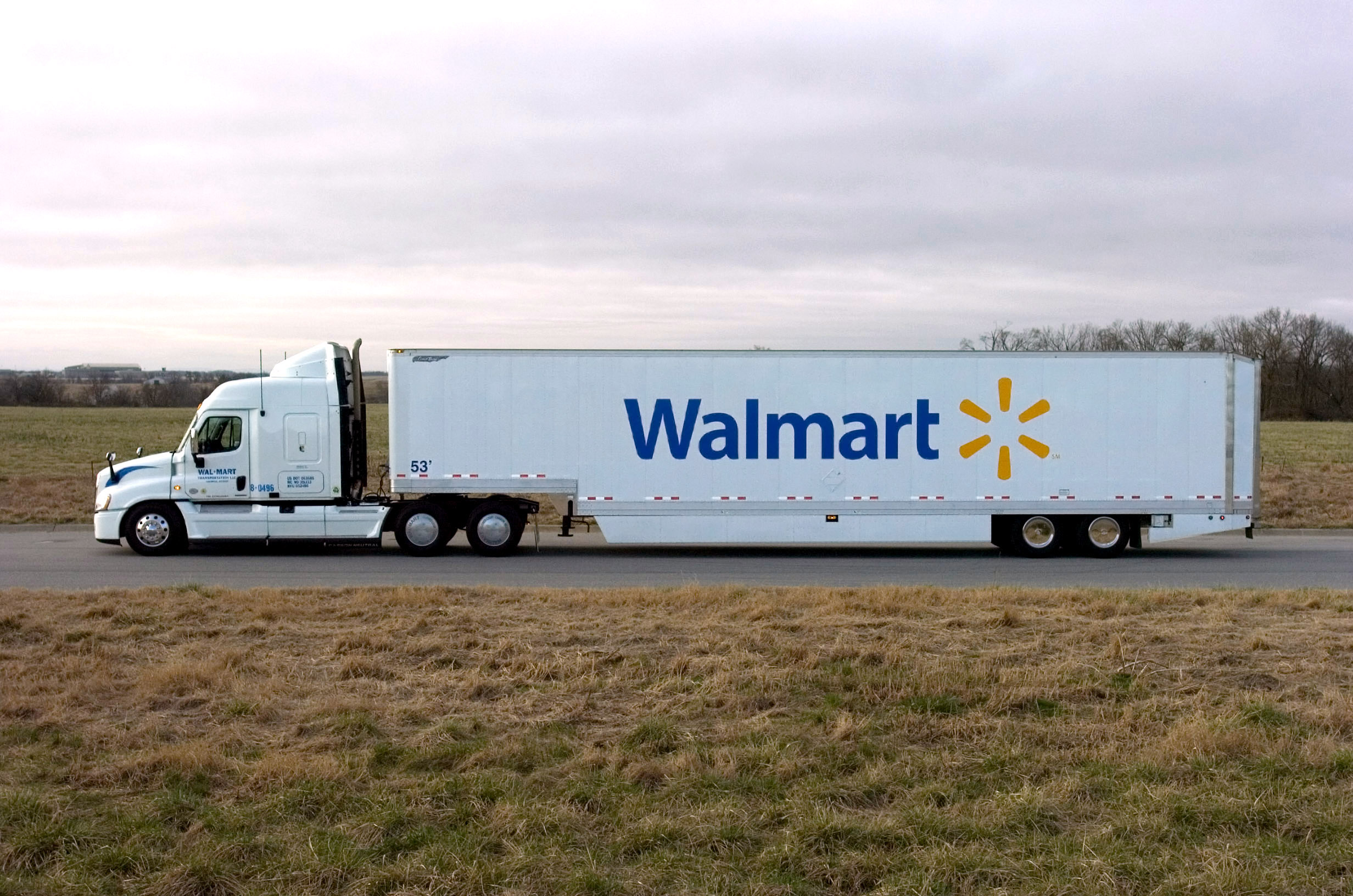
U.S. retailer Walmart is harnessing advanced technology to strengthen its readiness for extreme weather and other disasters.
Serving as the nerve center for disaster preparedness and response is its Global Security Operations Center (GSOC). Operating around the clock, 365 days a year, it monitors weather, risks, and operations worldwide. Drawing on internal and external data — including forecasts from the National Hurricane Center (NHC) and the Storm Prediction Center (SPC), as well as historical disaster records — it identifies, assesses, and manages risk events that could affect employees, operations, and the supply chain.
Frontline supply-chain teams use weather forecasts to pose hypothetical scenarios — what would happen, for instance, if demand for essentials such as bottled water and batteries surged ahead of a hurricane, or if inventory had to be moved to a particular region. Using predictive AI and machine learning to analyze past weather patterns and real-time data, they gain advance insight into how weather could affect inventory levels, transport routes, and e-commerce deliveries to customers.
Advanced modeling tools also allow the company to test how its logistics network would respond to facility closures, transport delays, and sudden shifts in demand.
In its transport division, for example, Walmart uses a digital twin to recreate its logistics network in a virtual environment and simulate how goods move across the entire supply chain under stress. This makes it possible to assess the capacity required, optimize coordination between alternative logistics facilities and stores, and make the advance adjustments needed to keep products flowing smoothly.
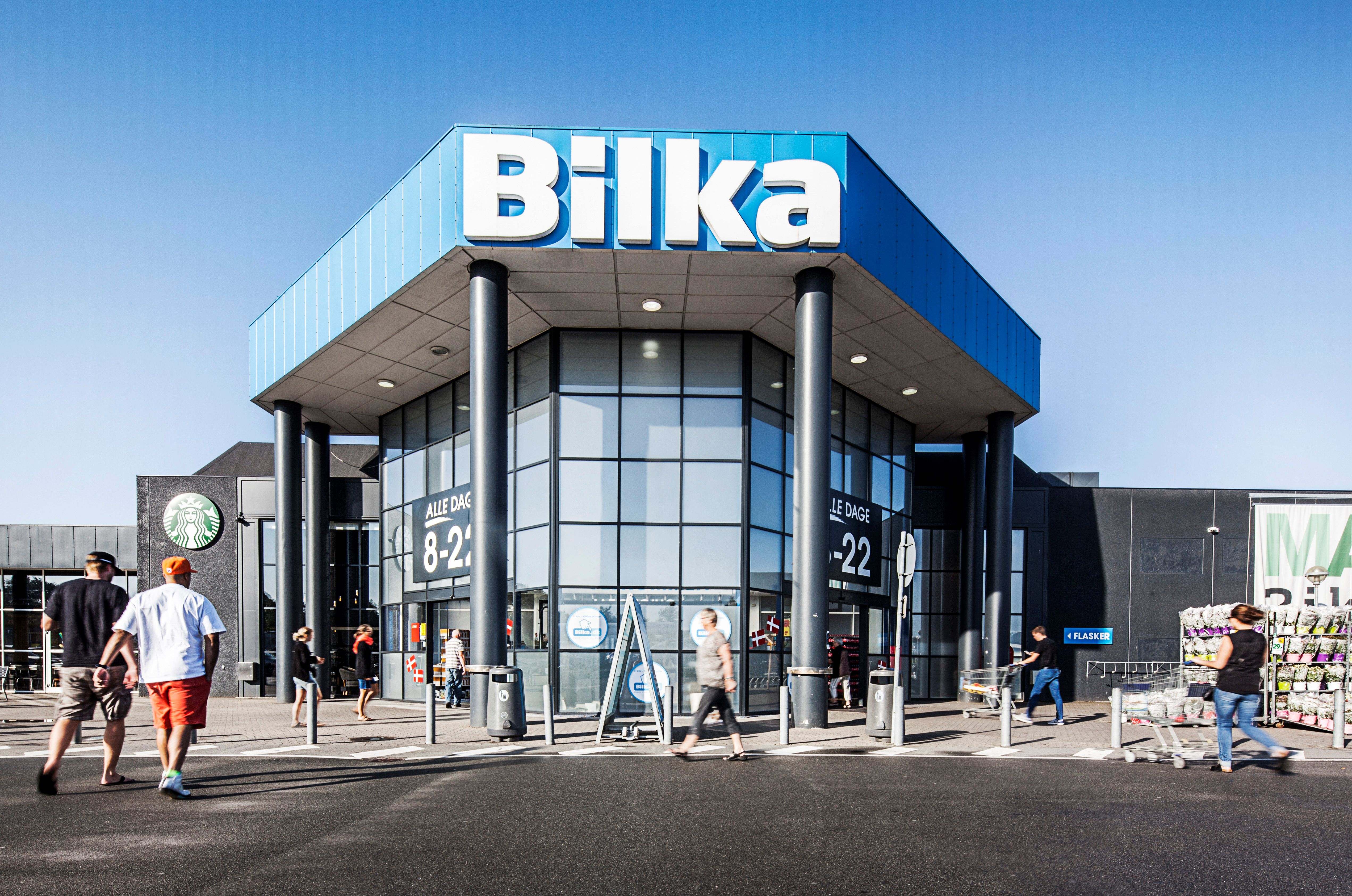
Salling Group, Denmark’s largest retailer, is building out a network of emergency stores (in Danish, beredskabsbutik) equipped to keep essential goods flowing reliably in a crisis, in response to extreme weather, a more uncertain security environment, and rising cyberattack risk.
The company plans to establish 51 of these stores across Denmark by the end of 2027, so that 80 percent of the population can reach one within 50 kilometers. The designated stores comprise all 17 of the group’s Bilka hypermarkets, 32 Føtex supermarkets, and 2 Netto discount stores.
These stores are being equipped to stay open for at least two days even if power or external communications are cut off, and they hold emergency stocks of supplies recommended by the Danish Emergency Management Agency (DEMA) — such as bottled water and canned goods — in the stores themselves or in nearby warehouses.
In June 2026, Salling Group introduced high-performance backup power systems for the first time at three pilot stores: the Føtex in Ribe in the south, the Bilka in Vejle, and the Netto in Rønne on the island of Bornholm. These systems keep power-dependent equipment — refrigerators, lighting, computer systems, and the like — running, so that the stores can continue trading as usual even during a major outage. It intends to roll out the new backup power systems to the other designated emergency stores going forward.
Ahead of this, in October 2025, the group also strengthened its payment solutions for emergencies: across all of its stores, including the emergency stores, card and mobile payments can now be processed even without a network connection.
Yukiko Matsuoka
After earning an MBA in the U.S. and gaining practical work experience in supporting start-ups and developing management strategies, she switched to journalism in 2008.
Since then she has been following and reporting on trends in technological innovation and next-generation businesses surrounding food from a global perspective.