[White Paper]
Rethinking the Fresh Food Department, Insights from Consumer Research
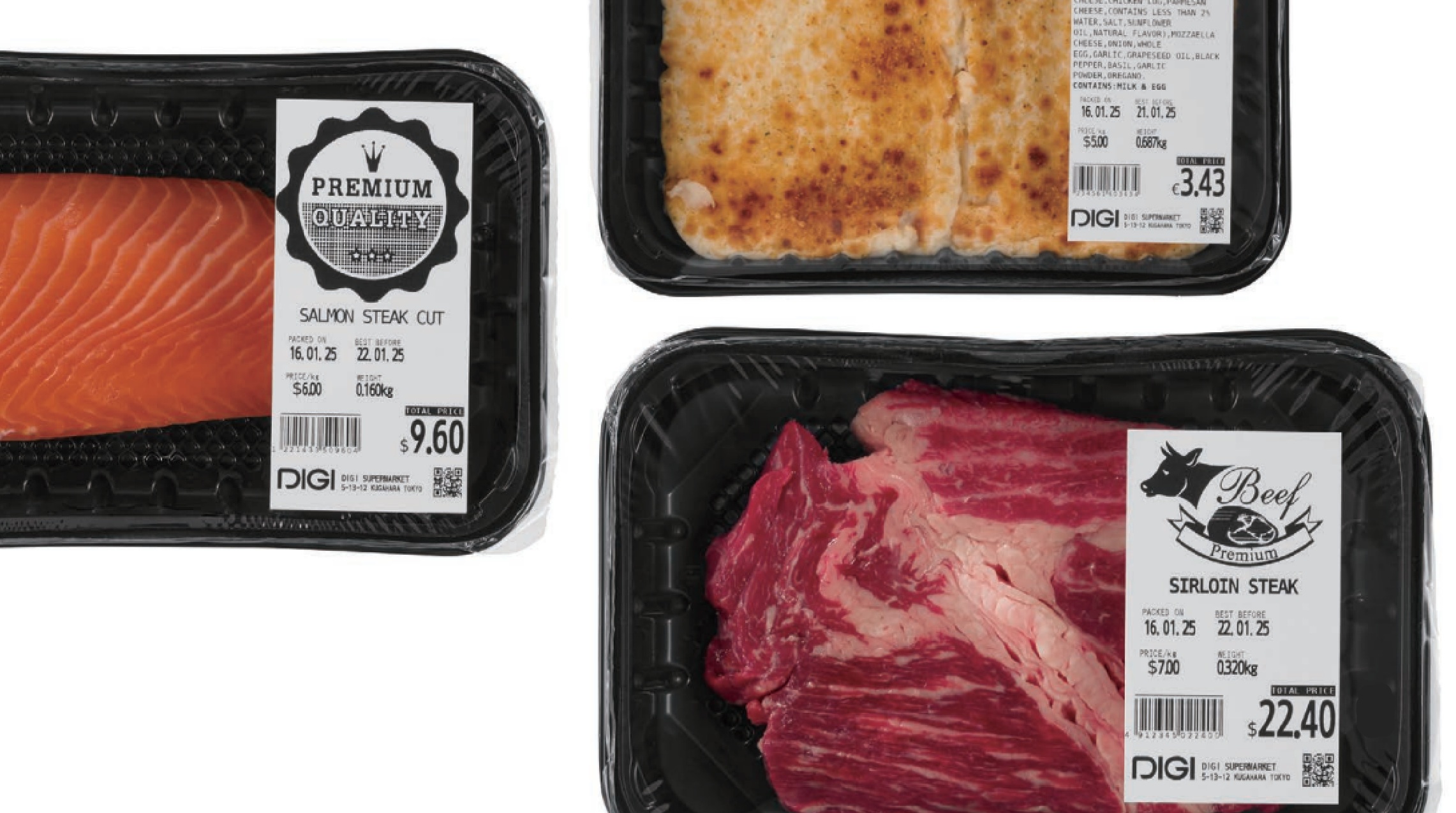
MAP (Modified Atmosphere Packaging) is a packaging technology that replaces the air inside a food tray with a single gas or mixture of gases — oxygen, carbon dioxide, and nitrogen — in proportions suitable for food preservation. This slows down oxidation and microbial growth, helping to maintain freshness and extend shelf life.
- Extending shelf life
- Helps slow oxidation and microbial growth, keeping food fresh for longer.
- Maintaining quality
- Helps preserve freshness and flavor without compromising quality.
- Addressing labor shortages
- Extending the sell-by period helps improve operational efficiency.
- Reducing costs
- Optimizing production and delivery planning helps lower costs.
- Reducing food waste
- Extending the use-by period helps reduce food waste in stores and households.
▶ Labor Shortages Push Same-day Food Production to the Limit
Japan's declining birthrate and aging population have pushed labor shortages to serious levels — 58.1% of companies now report a shortage of full-time employees*. Supermarkets are hit hardest in the fresh fish, meat, and prepared foods departments, where even routine tasks like same-day food production and markdowns are becoming hard to sustain.
*Teikoku Databank / Corporate Trends Survey on Labor Shortages (January 2026)
https://www.tdb.co.jp/report/economic/20260220-laborshortage202601/
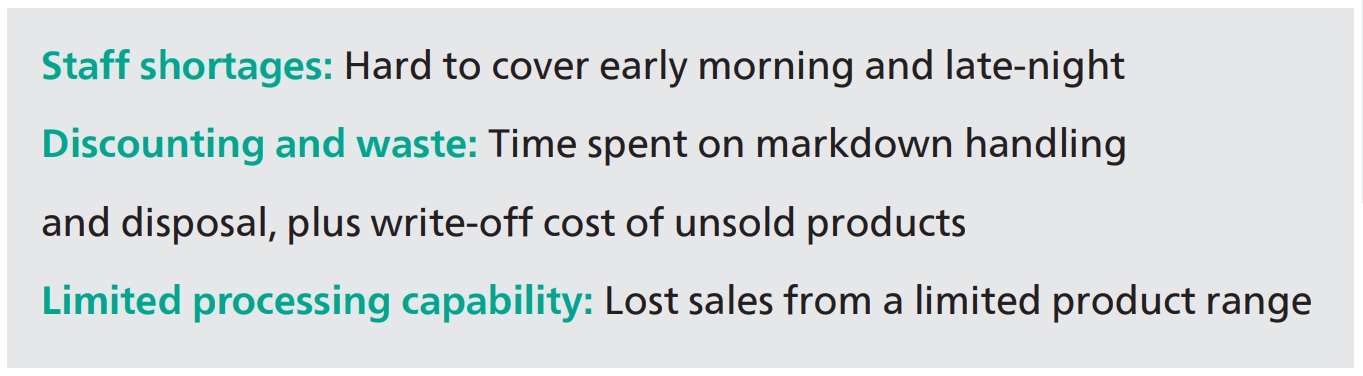
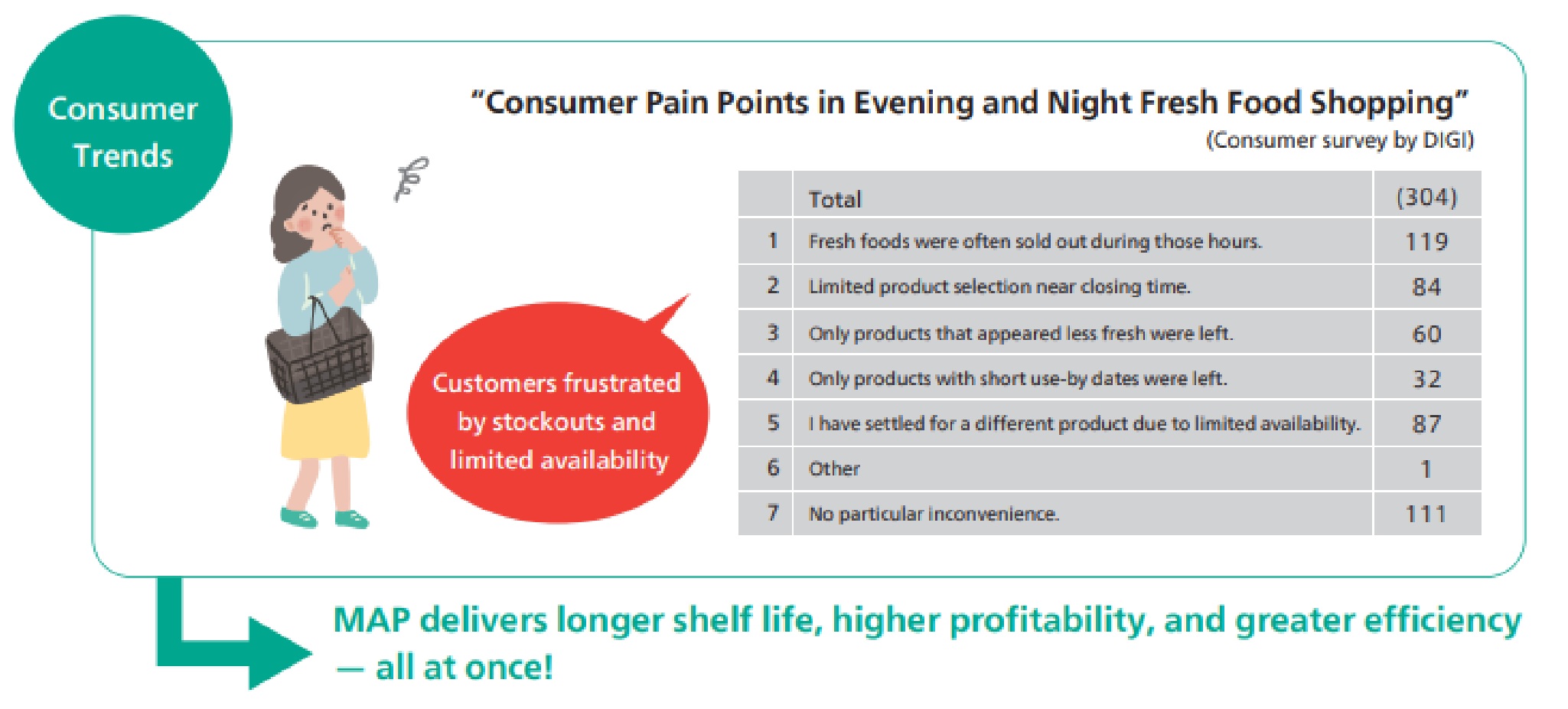
As single-person households grow and lifestyles diversify, more customers shop for fresh foods and prepared meals on their way home from work, in the evening and at night — but labor shortages make it hard to meet that demand. As a result, supermarkets are losing customers to convenience stores and other competitors.